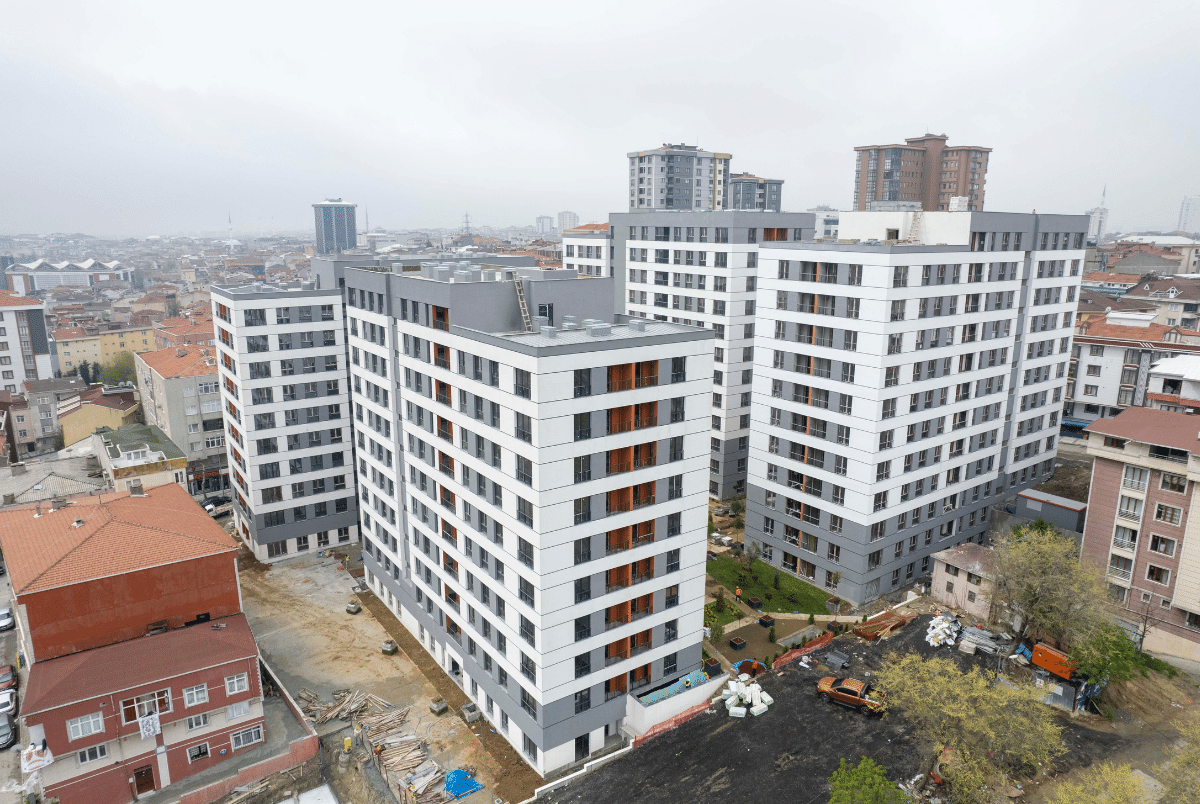
Key Considerations in Urban Transformation Projects
Urban transformation is a critical process that modernizes cities and enhances the quality of life. It involves replacing old, risky, and unusable structures with safe, eco-friendly, and aesthetically pleasing ones. However, for urban transformation projects to succeed, certain important factors must be considered.
The foundation of an urban transformation project lies in community participation. Understanding the needs and expectations of the local population directly impacts the project’s success. Meetings and consultations with residents help gain support for the transformation process. Additionally, it is important that new structures align with social spaces, green areas, and transportation facilities.
Another essential aspect of urban transformation is the compatibility of infrastructure with the project. New buildings must integrate with systems like water, electricity, sewage, and transportation. This integration enhances both the comfort of residents and long-term sustainability.
Earthquake resistance is a non-negotiable component of urban transformation projects. All constructed buildings must feature reinforced foundation systems using modern engineering techniques. This ensures the safety of lives and property in the event of an earthquake.
Furthermore, eco-friendly approaches have become a priority in urban transformation projects. Energy-efficient designs, recyclable materials, and green building standards minimize the environmental impact of projects. These practices not only protect nature but also offer economic advantages.
Finally, legal procedures must be meticulously followed. Permits, contracts, and legal responsibilities should be fully addressed. This ensures a safe transformation process for both project owners and local residents.