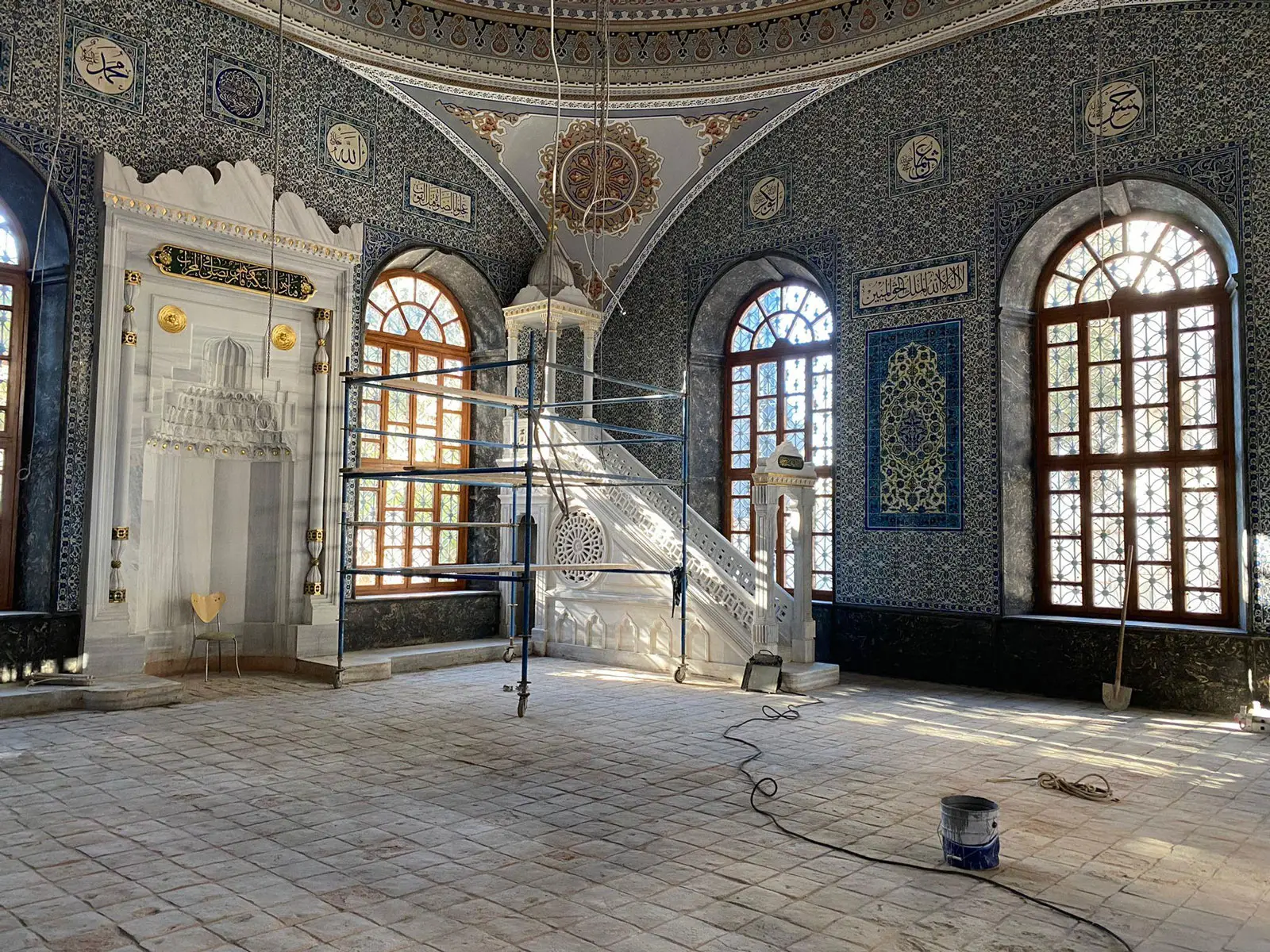
The Importance and Processes of Historical Building Restoration
Historical buildings are cultural and architectural heritages that carry the traces of the past to the present. These structures reflect the history, traditions, and artistic understanding of societies, making them invaluable resources. However, over time, environmental conditions, human interventions, and natural disasters can damage these buildings. Historical restoration helps preserve these treasures for future generations.
Restoration of historical buildings requires expertise and precision. The first phase involves a detailed analysis of the structure. This analysis examines the history, materials, and structural characteristics of the building. Subsequently, damages such as cracks, deformations due to moisture, and material losses are identified. Based on this data, a detailed restoration plan is prepared.
During the restoration process, modern techniques are employed while preserving the original structure of the building. For instance, traditional methods are used to recreate stone masonry or wooden details. Additionally, strengthening works with modern materials are carried out. All these efforts aim to enhance the durability of the building without compromising its originality.
Historical restoration is not merely a physical renewal process. It also helps maintain a social and emotional connection. Restoration enables people to connect with the past and better understand the value of cultural heritage. For this reason, historical building restoration holds immense architectural and spiritual significance.